02Politics·8 min
Congress finished the Articles of Confederation in November 1777 and the country did not have a government until March 1781. Forty-eight men signed the parchment, in delegation order, over more than two and a half years — because the last state would not sign until the biggest ones gave up land they had already claimed.
03Politics·9 min
The Declaration is read as the work of a nation. It was signed by a coalition so improbable that eight of its members had been born in the country they were renouncing, and most of the rest had already left the colony whose name they signed under.
04Politics·9 min
Life tenure was designed to protect a judge from pressure. It now also protects a judge from ever being wrong in public, for thirty years, with no mechanism that notices.
05Culture·8 min
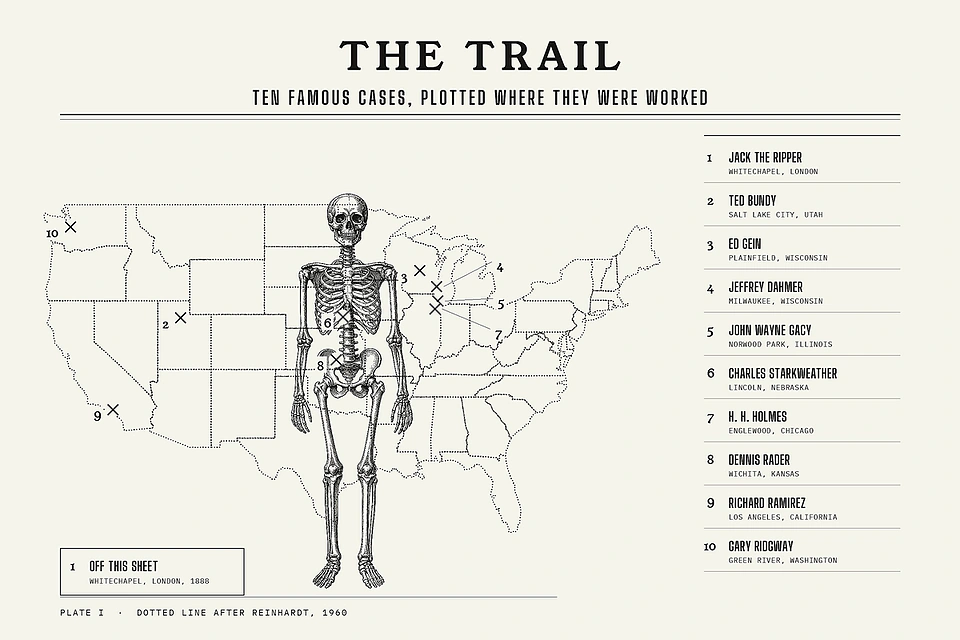
Fame in this genre does not track body count. It tracks packaging — the nickname, the costume, the designer who got hold of the material. Here are the ten in the order the culture actually keeps them, with the highest confirmed total finishing last.
06Money·6 min
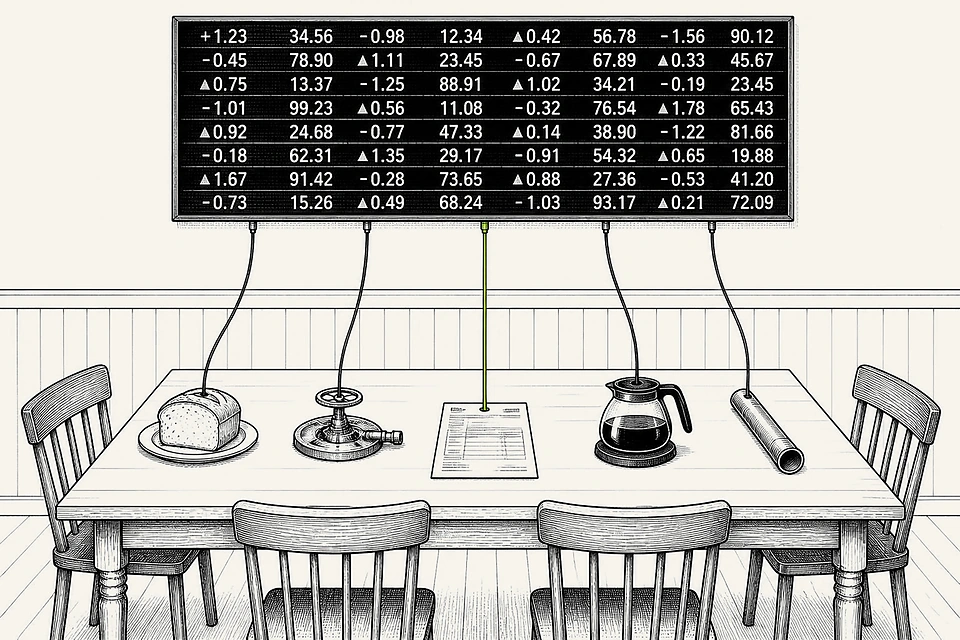
A market screen shows you several thousand numbers, of which perhaps five ever reach your house. This is what those five are wired to, and what the rest of the board is for.
07Sports·7 min
Paying college athletes was the right correction to an indefensible arrangement. What got built instead of a market is a claw machine: coins in the front, teenagers in the heap, and a grip rated for about one season.
08Politics·8 min
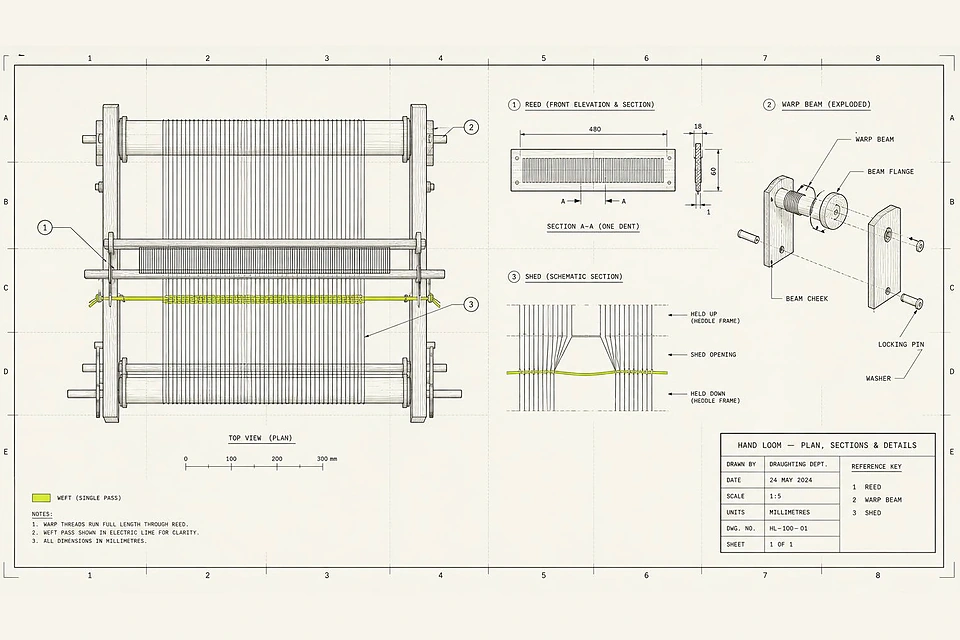
This is the first thing Sleyor has ever published, so it should be the thing we can be held to. Not a promise about tone — a description of the work.
09Politics·7 min
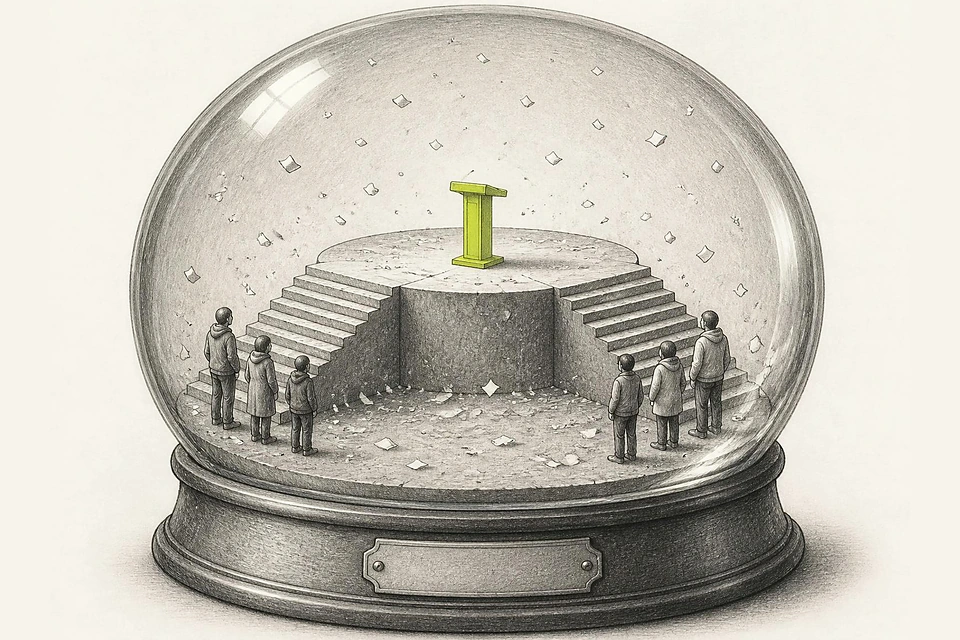
Both parties have built a magnificent route to the top of the same stage, and neither can any longer put anybody on it worth climbing for. That is not a scandal. It is a design fault.
10count·7 min
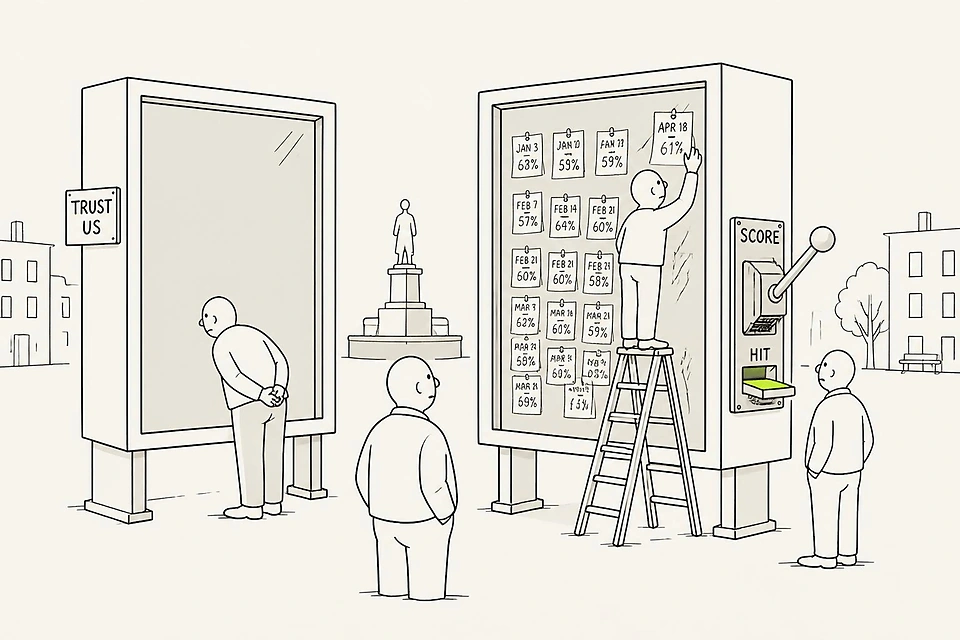
Every outlet in the country says it is fair, and almost none of them can be checked. A forecast can be. That is the whole reason this desk exists.
11count·6 min
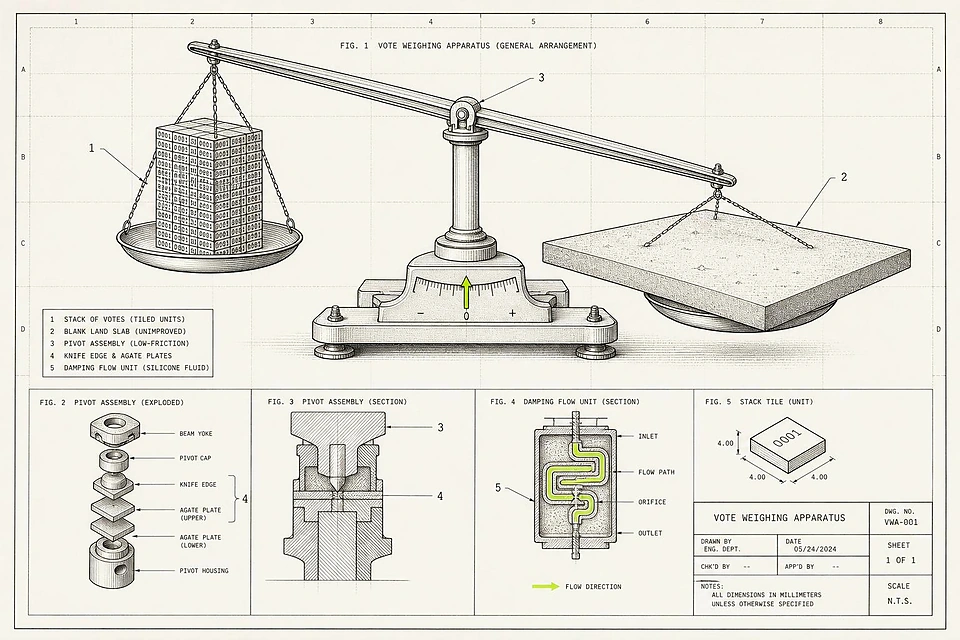
One side won 2,685 of America's 3,160 counties in 2024 and finished with barely more than half the ballots. Both of those facts are certified, and only one of them ever gets drawn.
12Politics·6 min
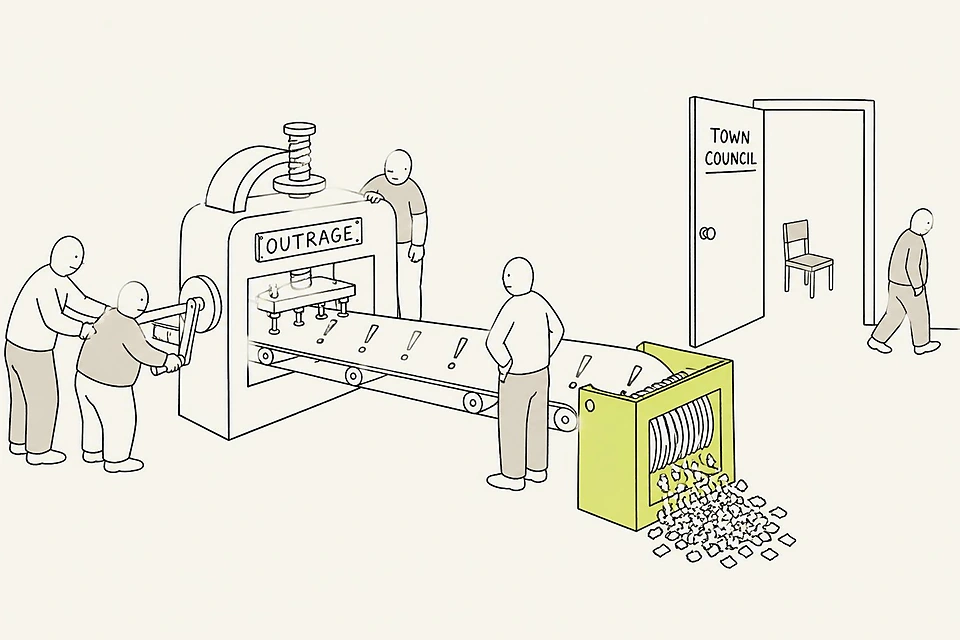
Outrage is the cheapest thing a publication can manufacture, and the most expensive thing a country can consume.
13Health·7 min
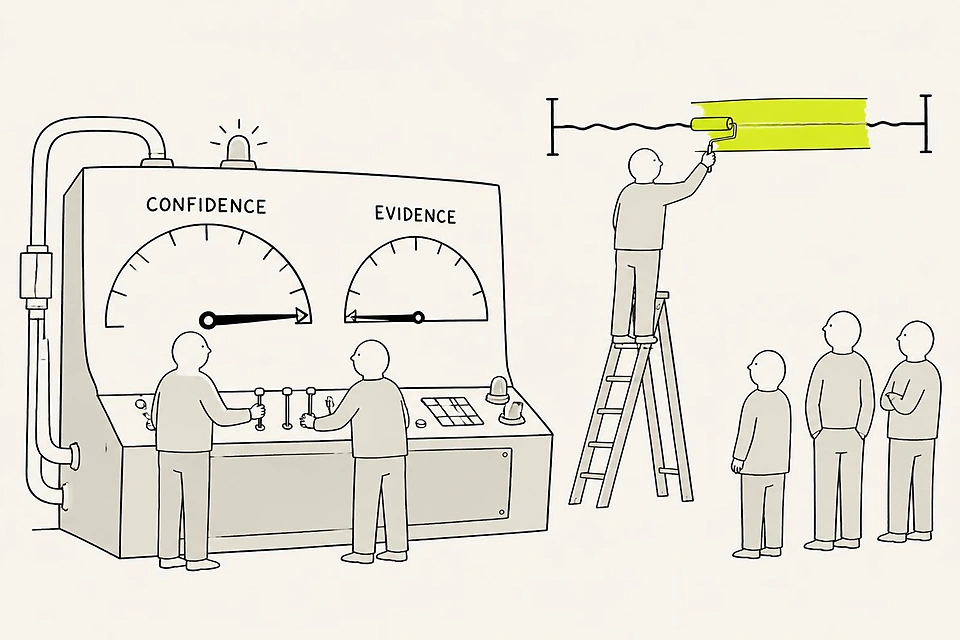
Trust in health institutions did not collapse because people got stupider. It collapsed because certainty was performed where it did not exist.
14Health·7 min
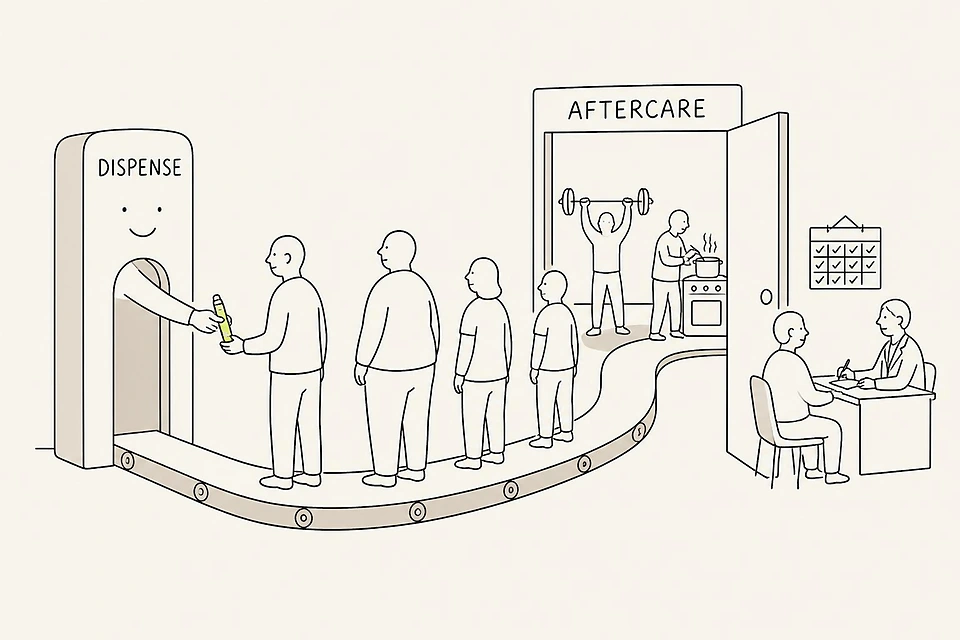
The weight-loss injections work, and they work for the people the old advice failed hardest. That is good news. The only thing left to build is the half of the arrangement that stands on the other side of the prescription — and we already know how to build it.
15Health·7 min
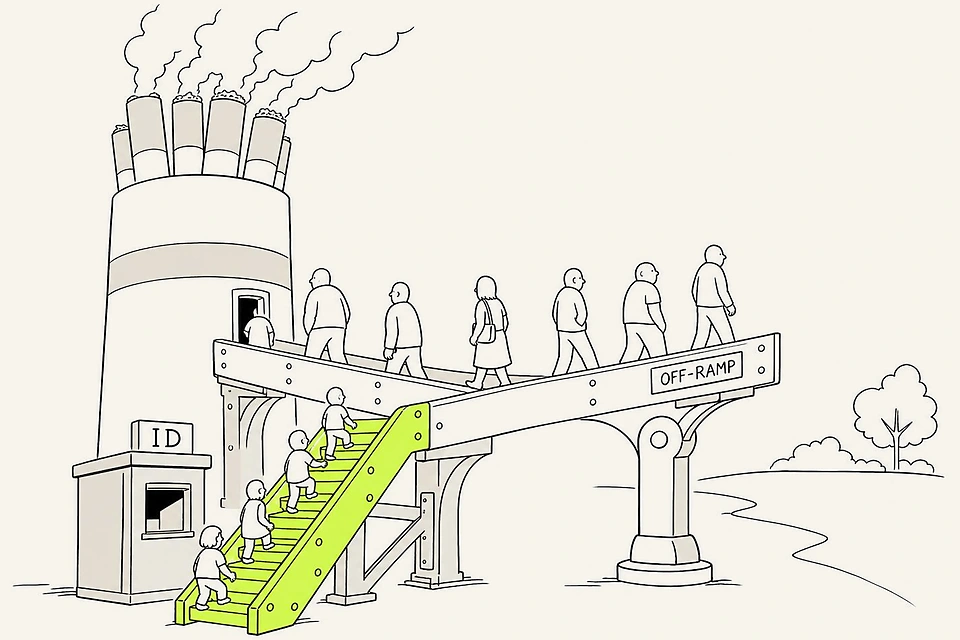
Vaping is the most effective exit from cigarettes anyone has ever built, and it is also the first nicotine product in a century that children took to on their own. Both of those are true, and the country keeps insisting on only one of them.
16work·5 min
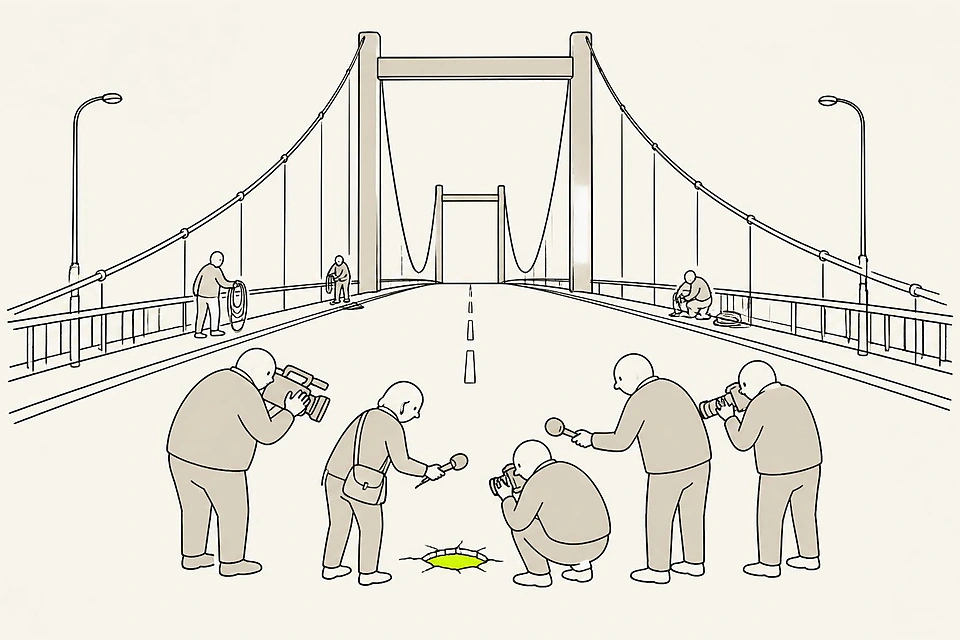
A culture that has stopped believing it can build large things will not be argued back into confidence. It has to see one finished.
17Culture·6 min
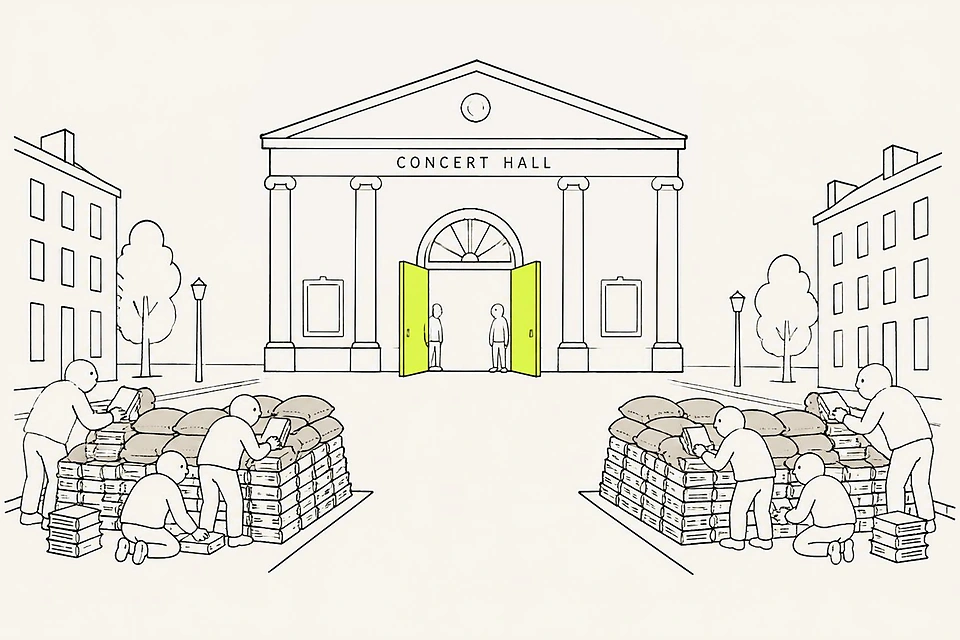
A tradition worth defending is one people want to join. Most of what is transmitted as defence is closer to a siege.
18place·5 min
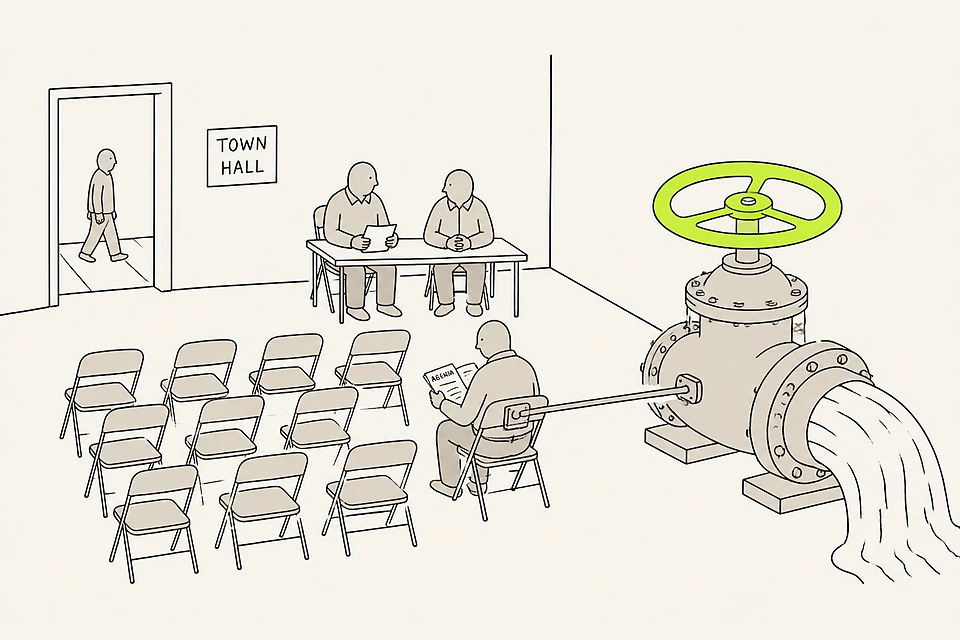
Almost every problem a reader can personally affect is decided within twenty miles of their house, by meetings nobody attends.
19Tech·7 min
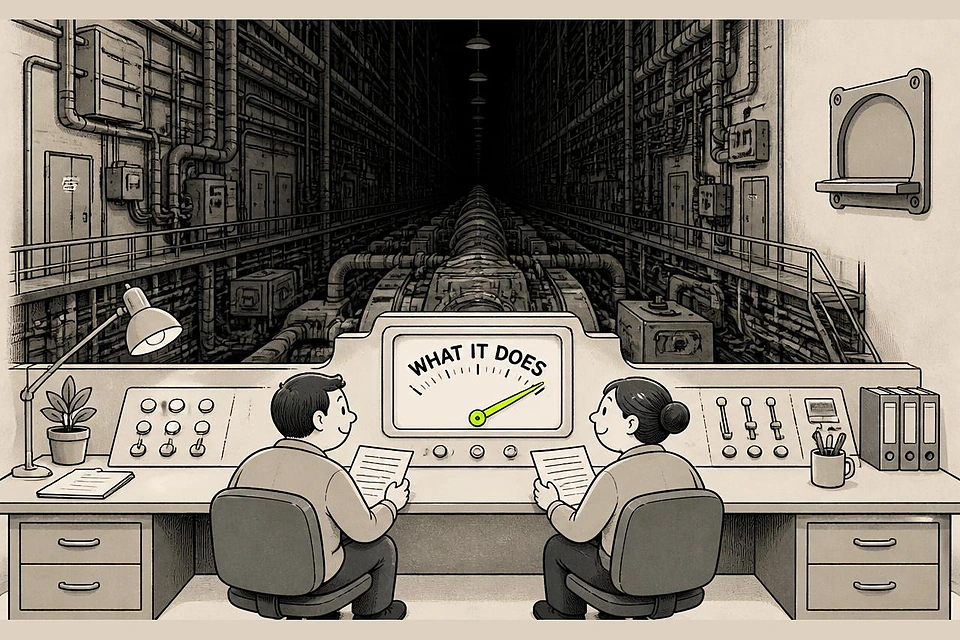
Artificial intelligence is already good at the things we can measure, and we have almost no instruments pointed at everything else it does. Both halves of that sentence are true at once.
20Health·7 min
Health is the only asset every other plan is denominated in, and it is the one we treat as a hobby — something to get to once the important things are handled.
21Politics·14 min
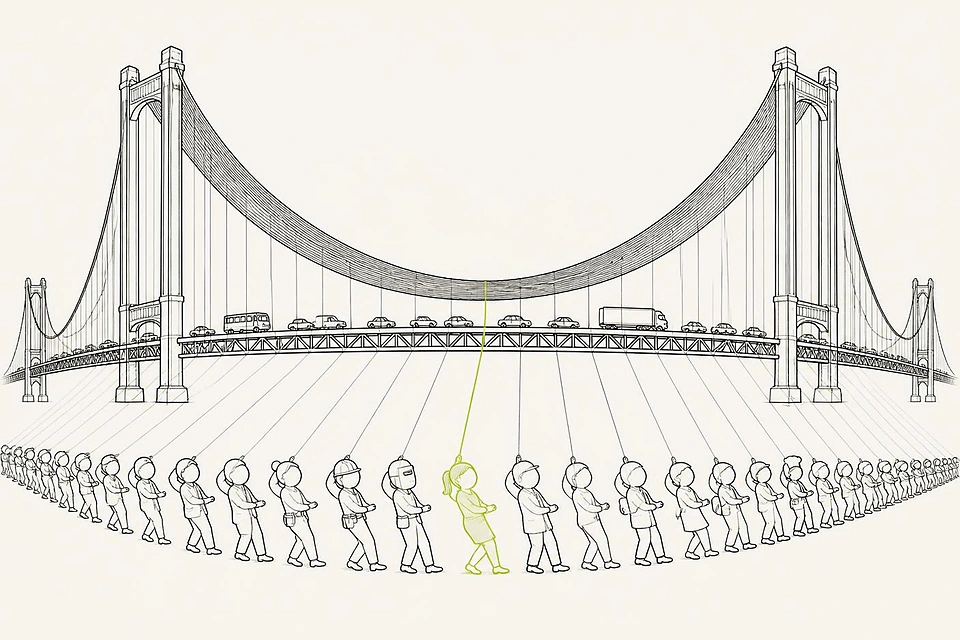
The largest question in public life is not who should govern. It is why anything works at all on an ordinary Tuesday — and what, precisely, is being spent when it stops.
22Money·7 min
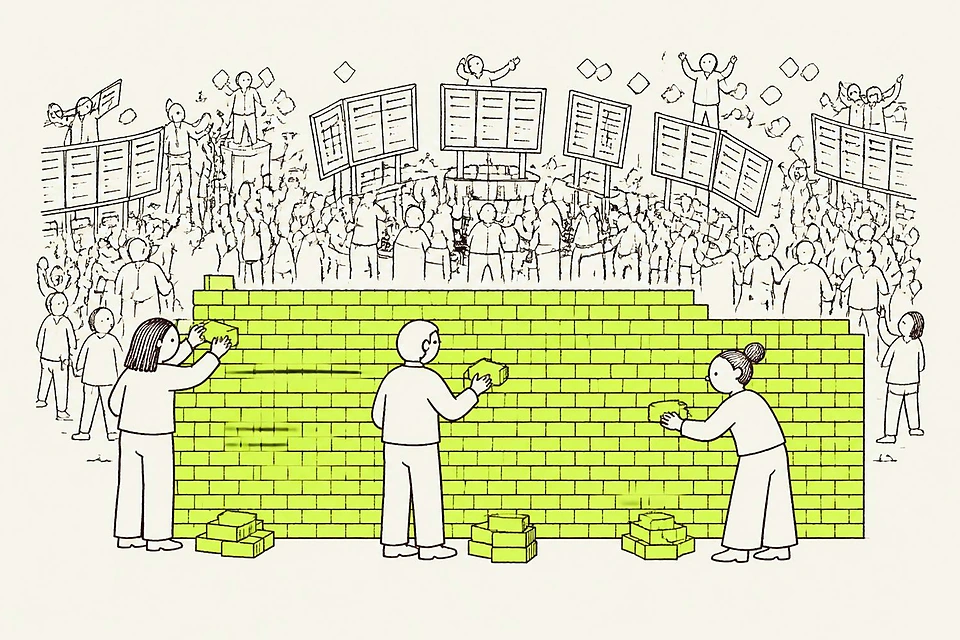
Almost everything written about money is written about the exciting half, which is also the half that decides almost nothing.
23Faith·7 min
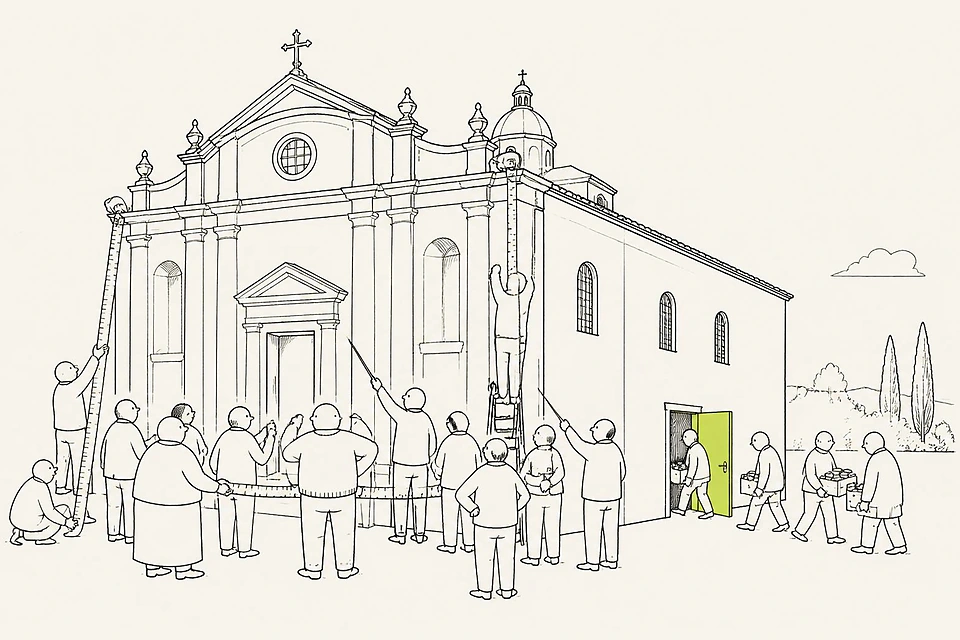
Religion is covered almost entirely as an argument. It is lived almost entirely as a schedule, and the schedule is the part that has effects.
24Faith·6 min
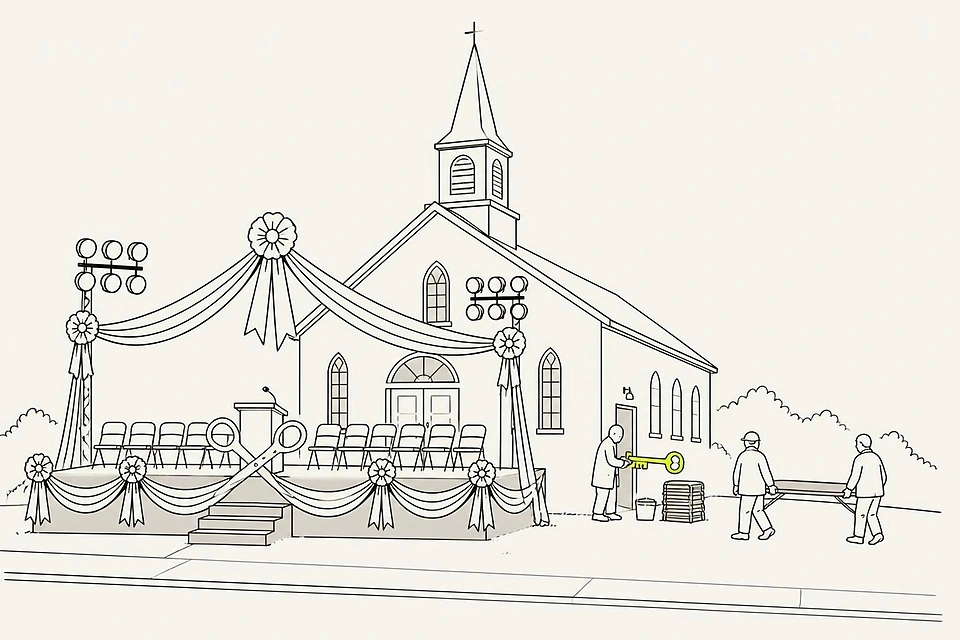
Institutions are not held up by the people who defend them in public. They are held up by the handful who arrive early with the key, and that job is not being handed on.